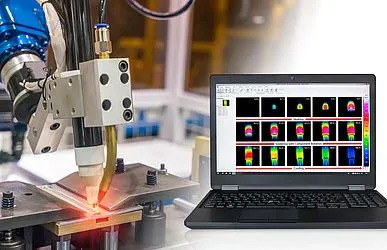
Thermal Optimization of Components and Processes
Improvement of product and process characteristics through energy optimization
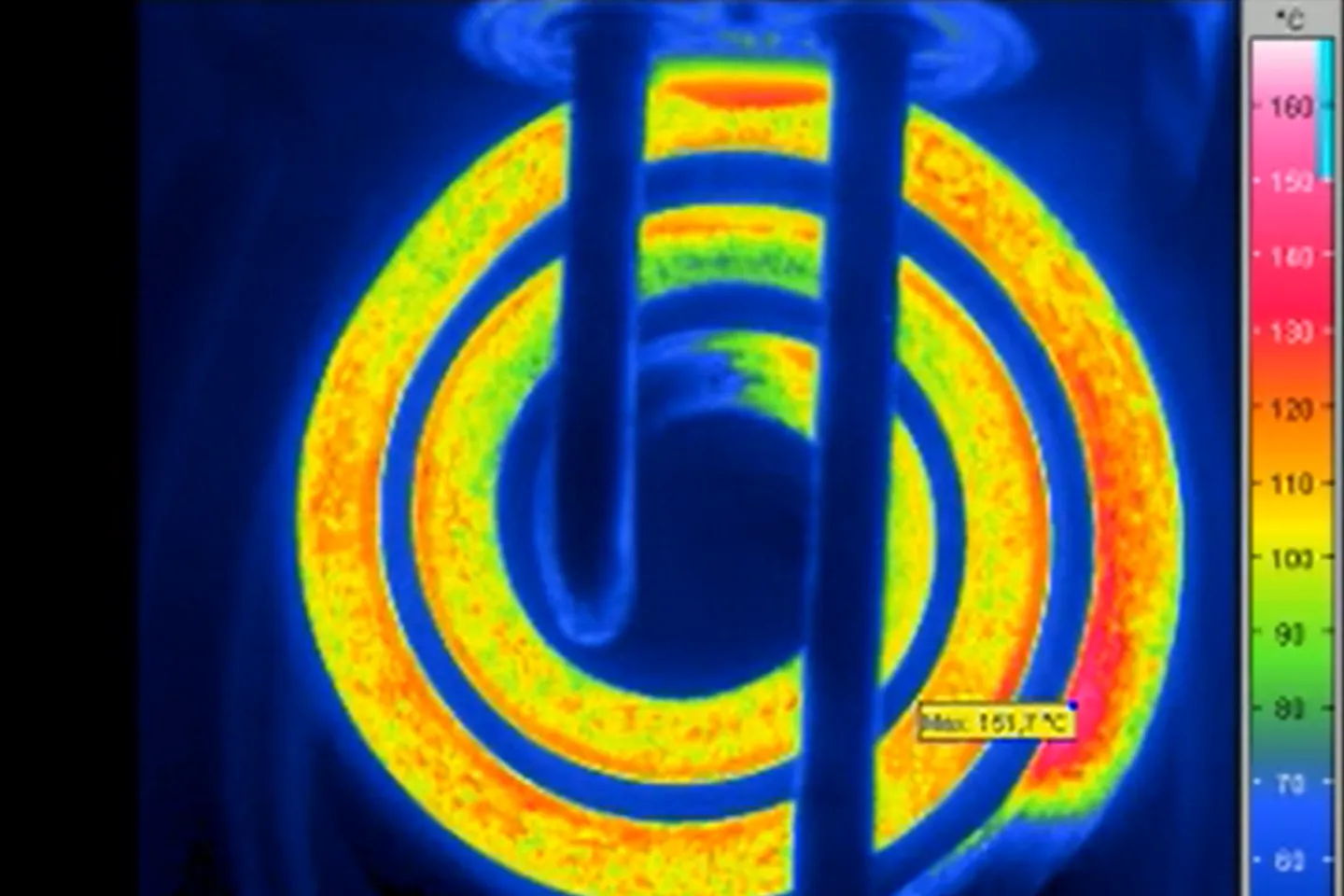
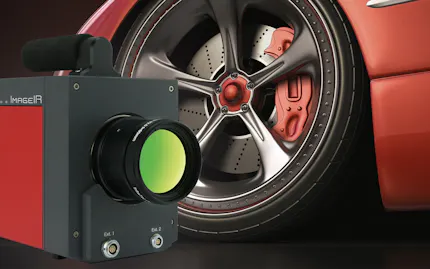
The thermal imaging camera enables a detailed analysis of heat generation in components and processes
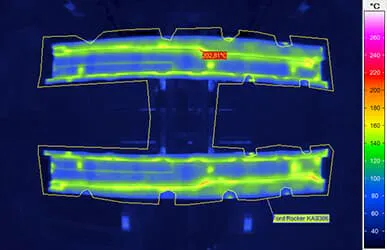
Hotspots provide insights into defects and areas requiring optimization
The thermal imaging camera’s high pixel count reduces the risk of measurement errors








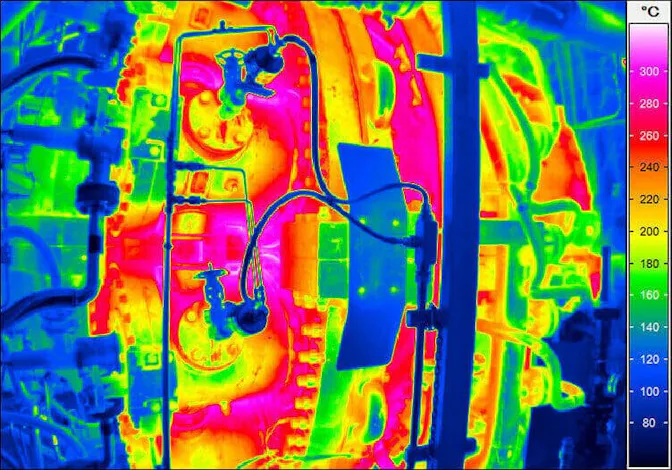


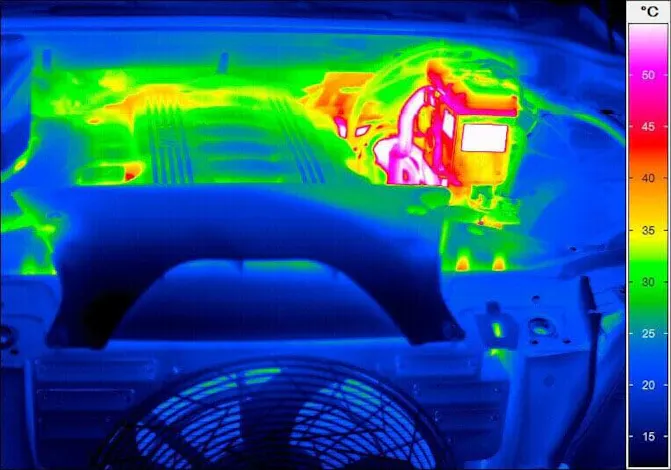
Thermal Imaging Camera for targeted Inspection of Heat as a Key Energy Factor

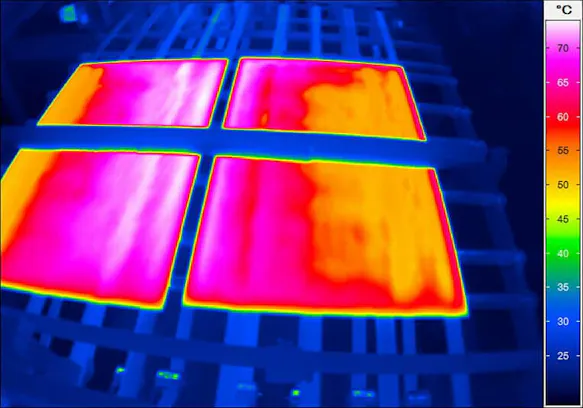
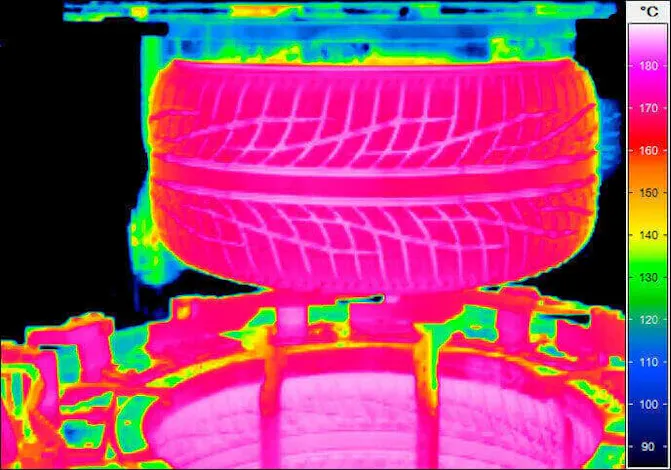
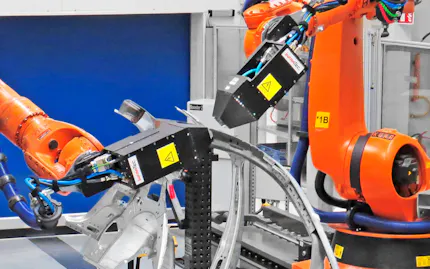
Every manufacturing process requires energy. Energy is also consumed or released during the use of products. Since a large portion of this energy is generated or utilized as heat, a precise analysis of these processes is crucial. The results help optimize manufacturing processes and support the targeted development of new products.

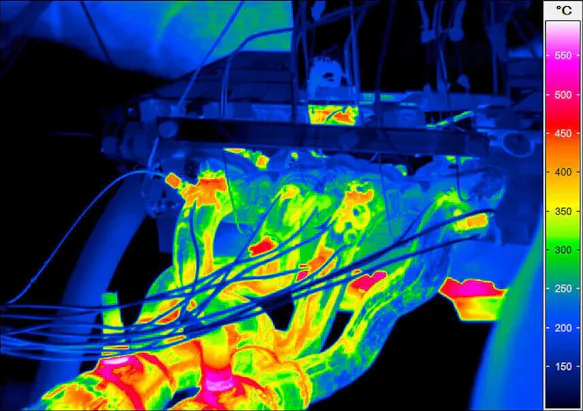
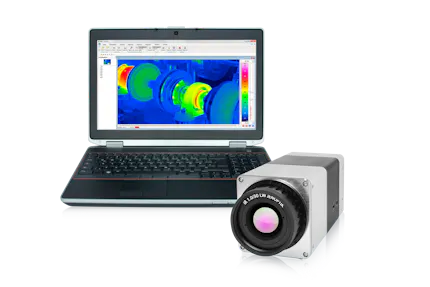
Thermal imaging cameras are well-suited even for highly demanding tasks, as they measure without contact, meaning without physical contact with the object being measured. Thanks to the visual representation of temperature distribution, even complex thermal processes can be easily captured. The thermographic software family IRBIS® 3 specifically complements these strengths. A wide range of analysis options precisely displays both spatial and temporal changes in temperature within the image field.


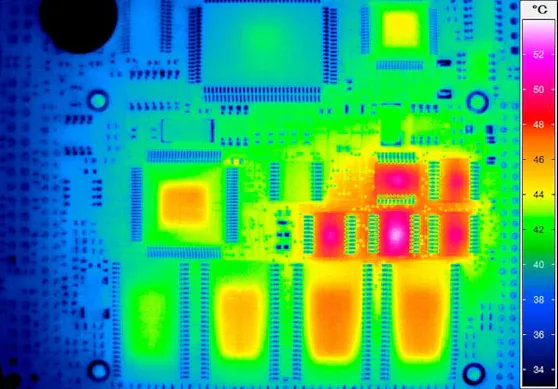
Optimizing Components or Processes by Heat Dissipation or Heat Input
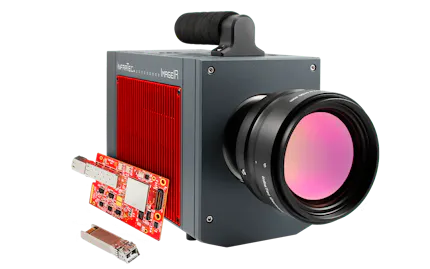
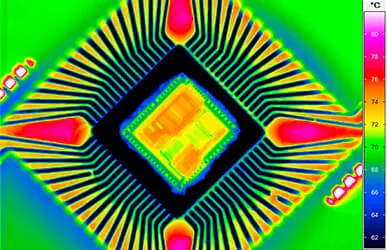
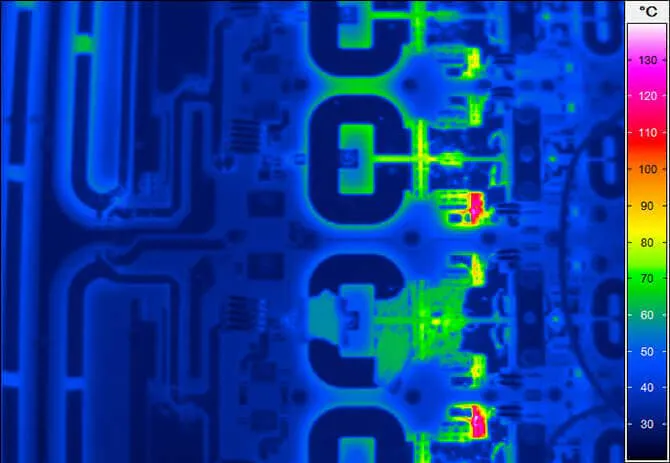
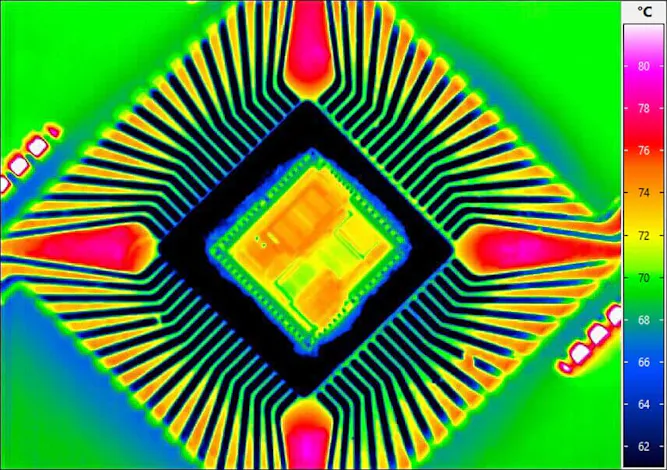
If thermal imaging reveals hotspots – i.e., areas with particularly high temperatures – in products such as printed circuit boards, this may indicate a defect. However, if this temperature rise appears normal, heat dissipation can be optimized to reduce subsequent overheating of the component itself or surrounding areas. Sufficient geometric resolution of the measurement object is crucial for detecting hotspots using a thermal imaging camera. A reliable conclusion can only be drawn if the details are properly resolved by a sufficiently large number of pixels. Therefore, a high-resolution thermal imaging camera from InfraTec is the top choice in product development.





















Would You Like to Know More?
It is not unusual for tasks to be associated with special requirements. Discuss your specific application needs with our specialists, receive further technical information or learn more about our additional services.


Heating of a Heating Coil