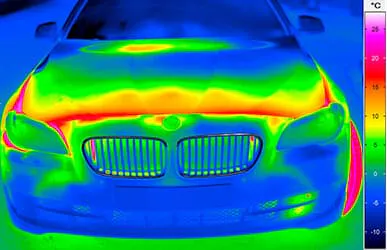
For Safe Electromobility – Thermographic Testing of Lithium-Ion Batteries
Lithium-ion batteries have gained a key position for almost all new technical developments worldwide in recent years. Portable electrical and electronic devices, the increasingly required decentralised storage for electrical energy from renewable sources and, of course, the entire e-mobility sector are inconceivable without them.




Advantages of Lithium-ion Batteries
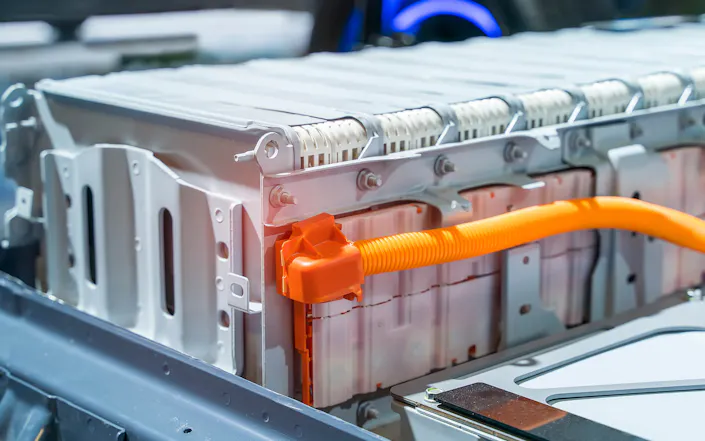
In the foreseeable future, lithium-ion batteries will not only dominate the automotive industry, but also all other applications where the efficient storage of electrical energy is essential. Compared to other battery technologies, they currently have the highest energy density and thus the greatest performance. Apart from a long service life, further benefits of lithium-ion batteries are their high efficiency, the fact that they have a low self-discharge rate and the possibility of reloading them from any state of charge. Lithium-ion batteries range in mass from a few grams up to several hundred kilograms, depending on the application. They provide power between a few milliwatts and several hundred kilowatts. The stored energy ranges from a few milliwatt hours till several hundred kilowatt hours.
Sensitive and Explosive
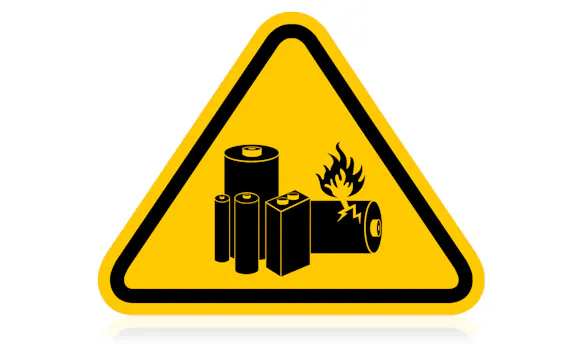
Lithium-ion batteries are complex multi-layer structures made of different substances and sometimes react very sensitively to external influences such as temperature fluctuations, vibrations, damage or moisture. For this reason, the production and storage of high-performance lithium-ion batteries is associated with very high demands on the safety measures to be taken.
Preventive measures for fire protection, for example, play an important role in the storage and transport of lithium-ion batteries. Due to their property of storing a lot of energy in a very small space, mechanical damage or overheating can lead to the aggressive release of the ingredients and, among other things, cause damage to health when they are inhaled or even fires.

More Safety with Thermographic Systems
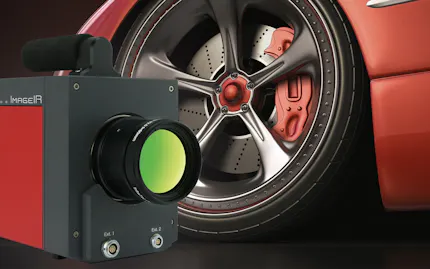
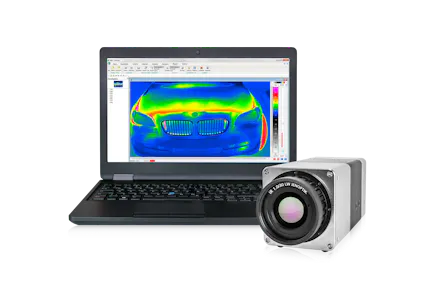
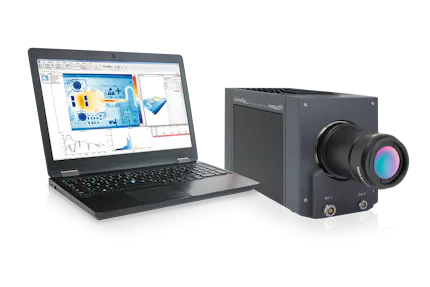
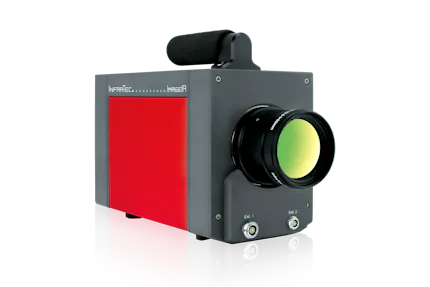
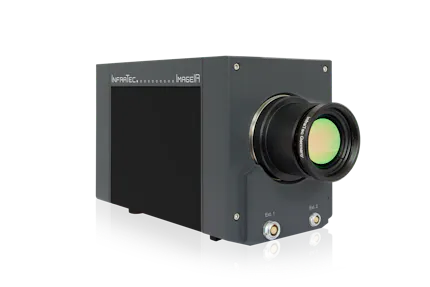
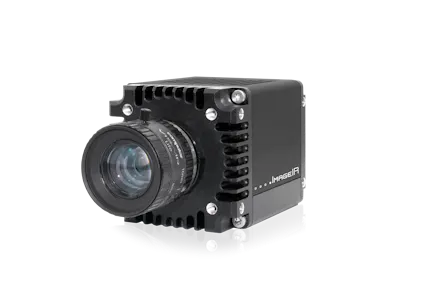
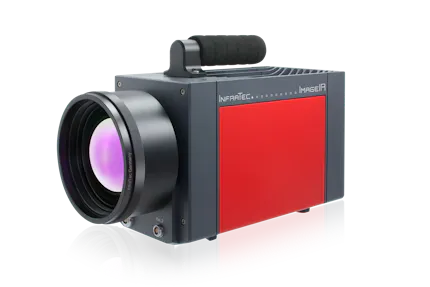
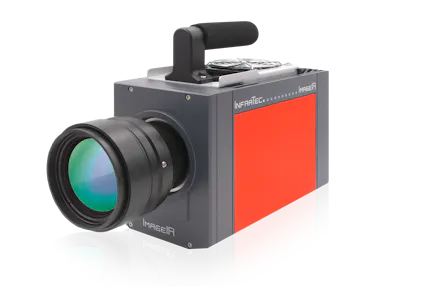
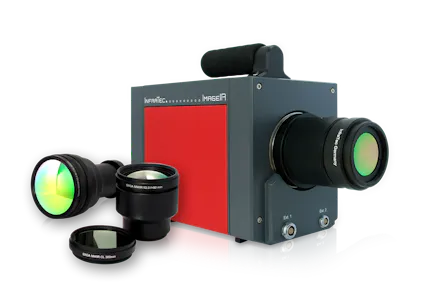
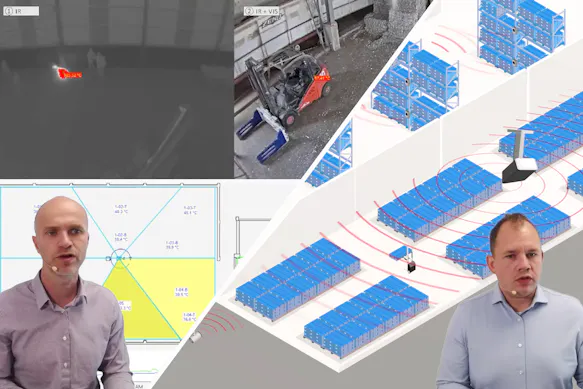
The field of application for infrared cameras in the area of lithium-ion battery technology is very diverse. On the one hand, they are a decisive factor in quality assurance, on the other hand, they are used in the monitoring of assembly halls and warehouses in order to reliably detect heat sources and eliminate potential sources of fire even before it emerges.
Events On Demand
Thermographic Warehouse Monitoring for Fire Prevention
Thermography in early fire detection: challenges, important parameters and their influence
FIRE-SCAN for thermographic warehouse monitoring
FIRE-SCAN for monitoring Lithium-ion batteries
High resolution infrared cameras with pan/tilt heads
Special infrared cameras for stationary installation


Thermography Solutions for Power Electronics – Precise, Non-contact and High-speed
Challenges of electronics testing
Improvement of electronics design and thermal management by understanding heat
Thermography in the various phases of electronics development and production
Important and relevant selection criteria

Thermography for Industrial Automation
Efficient quality control through fast, contactless temperature measurement during ongoing production
Flexible system solutions from modular components to fully customized turnkey setups
Integrated software for automated evaluation, documentation, and triggering of follow-up processes



Fields of Application
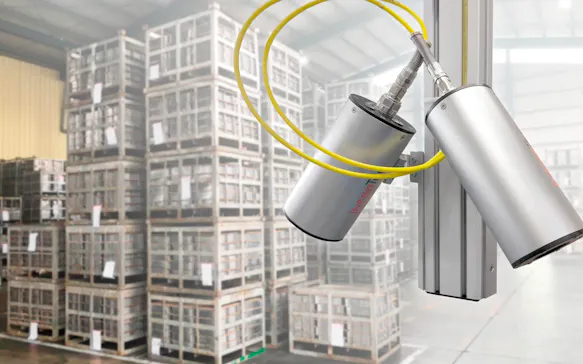
Monitoring of temperature development at storage and workplaces in assembly and storage halls for fire prevention
Ensuring compliance with all safety-relevant standards in the manufacture of accumulators
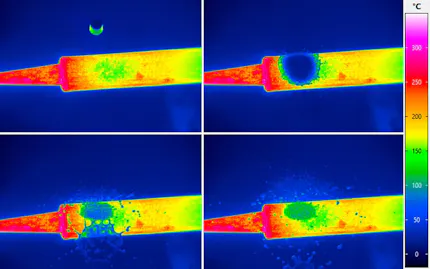
Quality assurance: Reliable detection of faulty lithium-ion batteries (contamination, damage, abnormal thermal behaviour)
Checking of weld seams, glued joints and tightness of battery housings
Quality Assurance During Manufacture
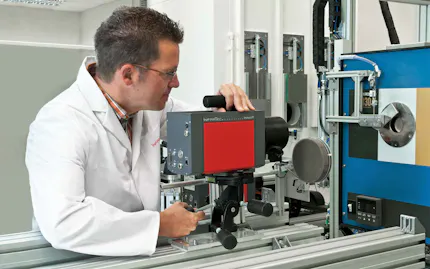
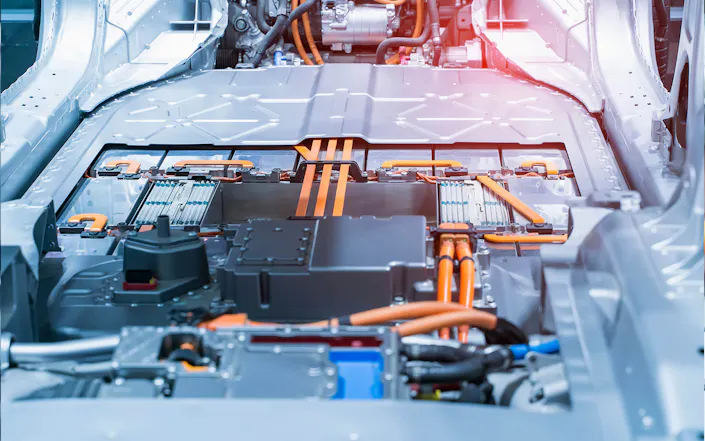
The lithium-ion battery is the heart of an electric car and any other battery-powered device. Accordingly, the parameters to be met for performance, quality and safety are very high. With the help of thermography, compliance with essential process parameters can already be tested and ensured during the manufacturing process.
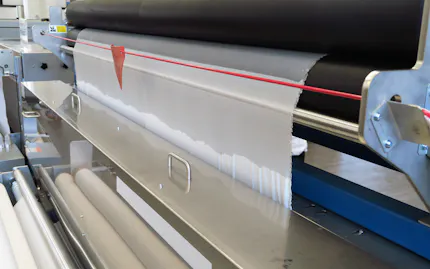
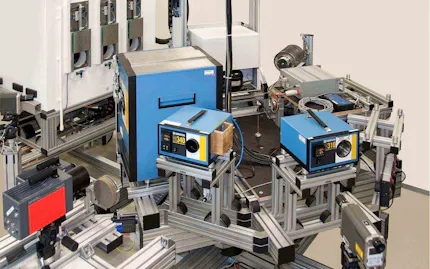
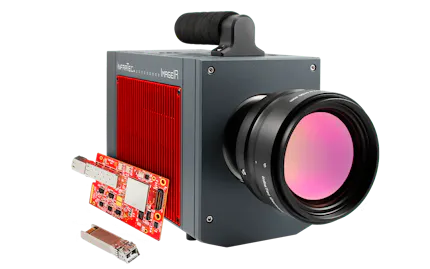
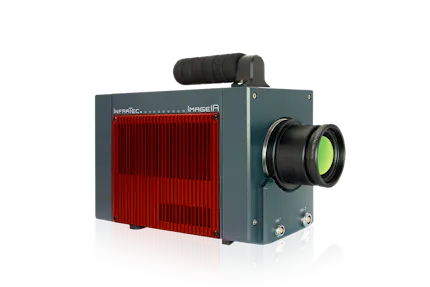
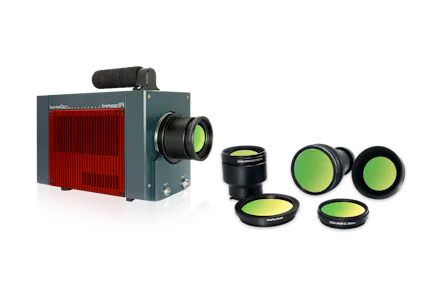
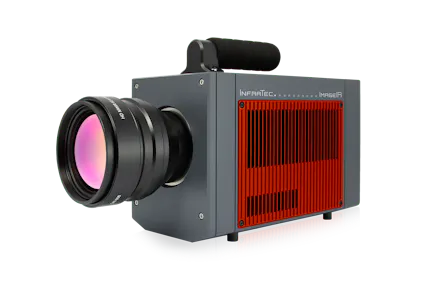
System solutions with infrared cameras from InfraTec make it possible, for example, to detect minimal defects and contamination in coatings or defects on the separator foils of lithium-ion batteries and to arrange for their removal. Defect-free coating systems and intact separators not only prevent short circuits and the associated safety risks. They are also the basic prerequisite for high-performance battery warehouses with a long service life. By using thermographic cameras with a resolution up to 5.2 megapixels, even the smallest defects or contaminations can be reliably detected also on larger surfaces.
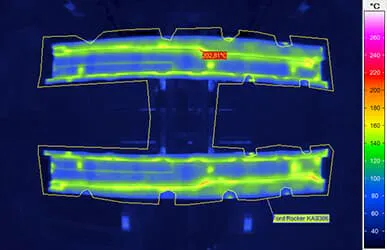
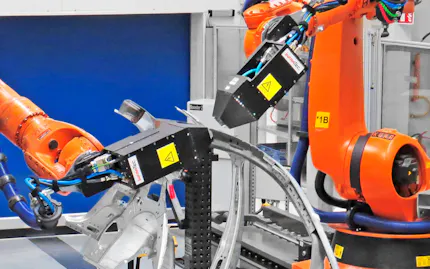
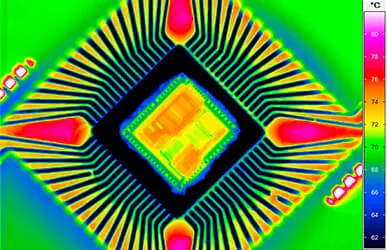
Thermal imaging is also used to check weld seams, adhesive joints and the tightness of a battery housing. InfraTec's thermally and geometrically high-resolution infrared cameras can be used to create thermographic images that can be analysed to test the quality of joints quickly, precisely and non-destructively.
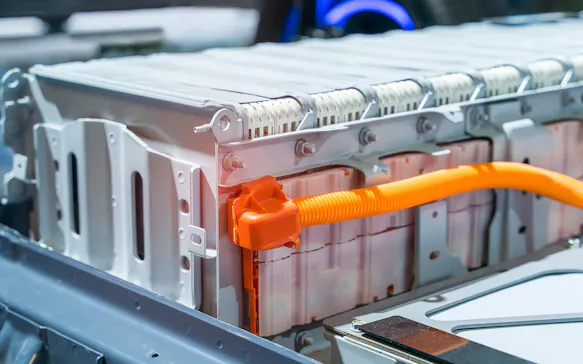
As a non-contact, non-destructive testing method, thermal imaging helps to detect faults in production at an early stage in order to avoid rejects and minimise rework – and thus to achieve significant cost optimisation in the manufacturing process. InfraTec's infrared cameras can be flexibly adapted to any inspection or measurement task and can be easily and individually integrated into existing system environments.
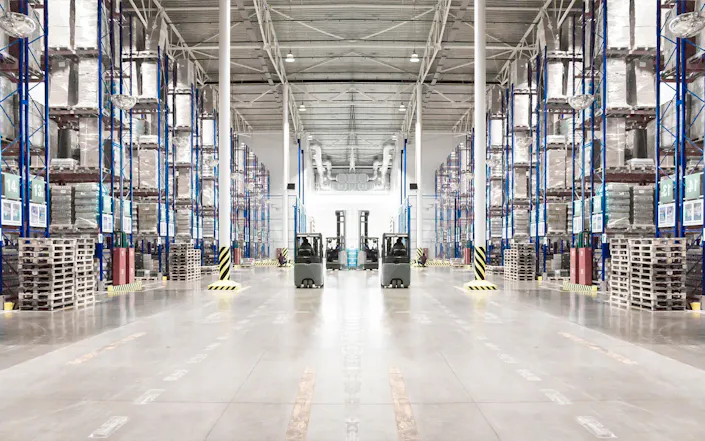
Monitoring of Warehouses and Assembly Halls
The production and storage of lithium-ion batteries places high demands on safety measures, as they can quickly catch fire when overheated, releasing gases that are hazardous to health.
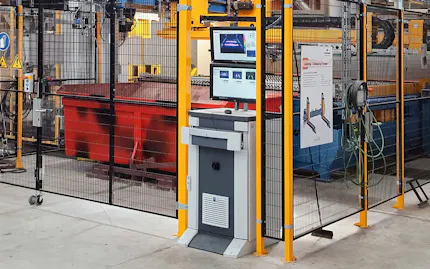
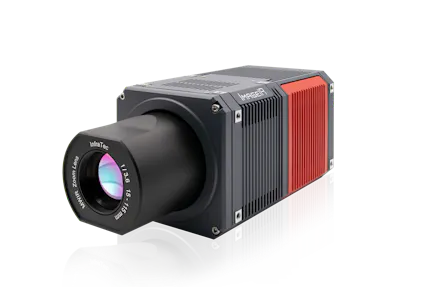
In order to avoid such thermal scenarios, InfraTec offers the thermal imaging automation solution FIRE-SCAN, which independently monitors and evaluates the temperature development at the workplaces and storage areas in 24/7 operation. It reliably locates heat sources and triggers an alarm when individually defined temperature thresholds are exceeded. The FIRE-SCAN system from InfraTec consists of one or more high-performance infrared cameras and the associated software.


Would You Like to Know More?
It is not unusual for tasks to be associated with special requirements. Discuss your specific application needs with our specialists, receive further technical information or learn more about our additional services.