
Economical Thermography by Design
Radiometric infrared cameras with fixed configurations and a wide range of lenses
Industry-standard interfaces for easy integration into existing processes; plug and play
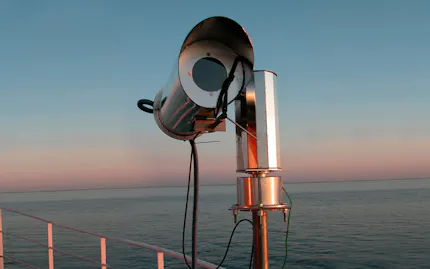
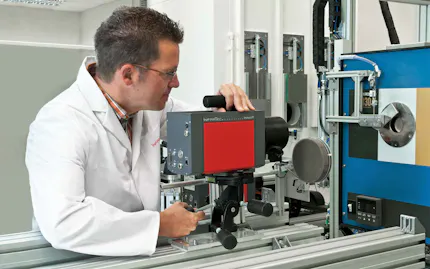
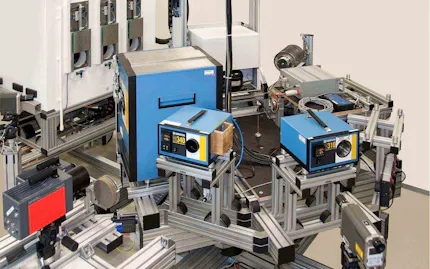
Suitable for a wide range of applications in industry and surveillance, particularly in continuous operation
Attractive price-performance ratio with a small footprint and maximum cost-effectiveness




33 found





Reliable Performance at an Attractive Price
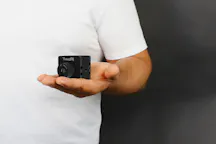
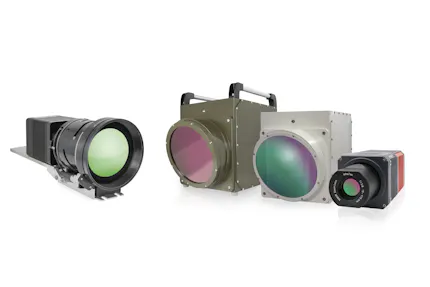
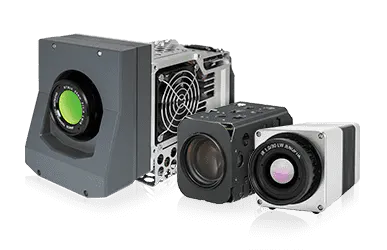
The Compact-Line cameras are versatile tools for contactless temperature measurement distributions and non-destructive analysis. They are the ideal choice for users looking for a compact and powerful infrared camera at an attractive price. With their fixed configuration, the Compact-Line cameras offer a cost-effective alternative to custom-optimized camera systems.
These cooled or uncooled cameras provide precise temperature data even in demanding environments. With their compact design and relatively low weight, they can be flexibly integrated into systems, test benches, and automation solutions. Industry-standard interfaces enable easy hardware and software integration, precise control, and reliable, fast data transmission. Via a trigger interface, highly accurate and repeatable control signals can be generated, and external trigger signals can be reliably processed.
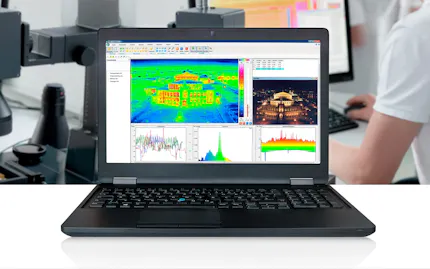
Prices include thermography software
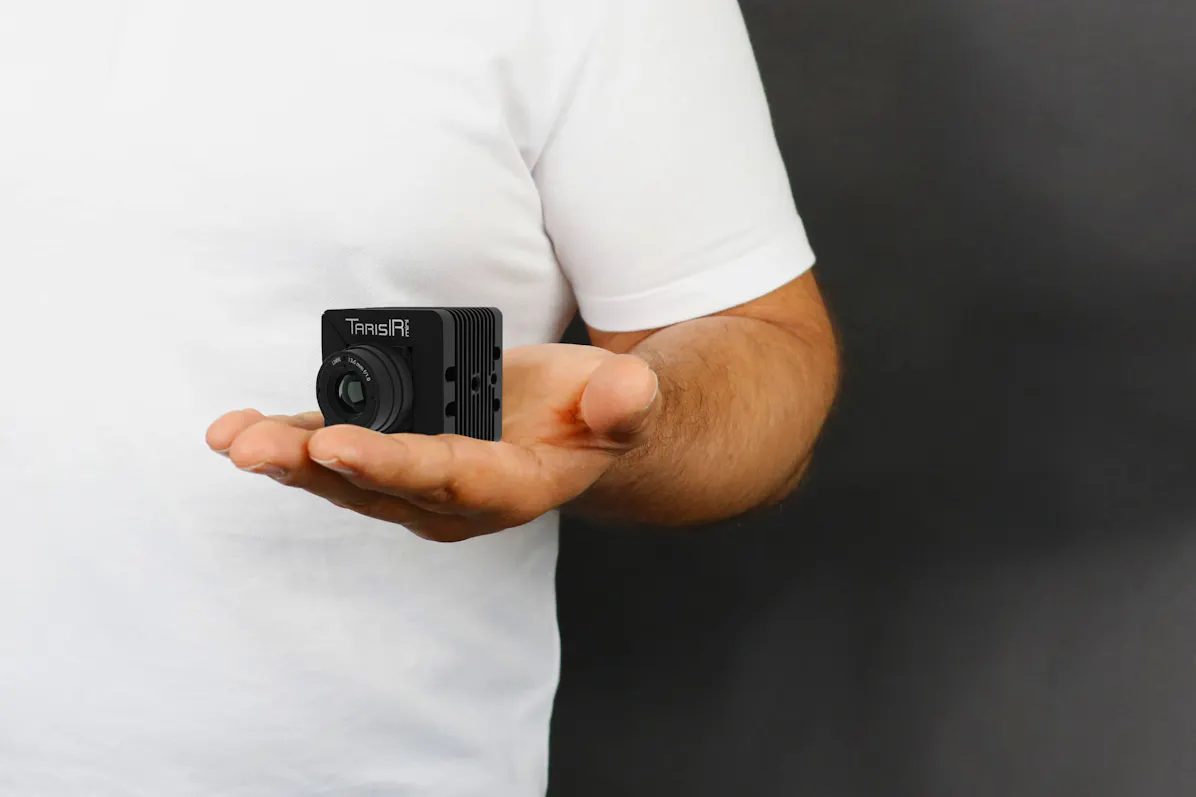
TarisIR® mini starting at 6,950 EUR*
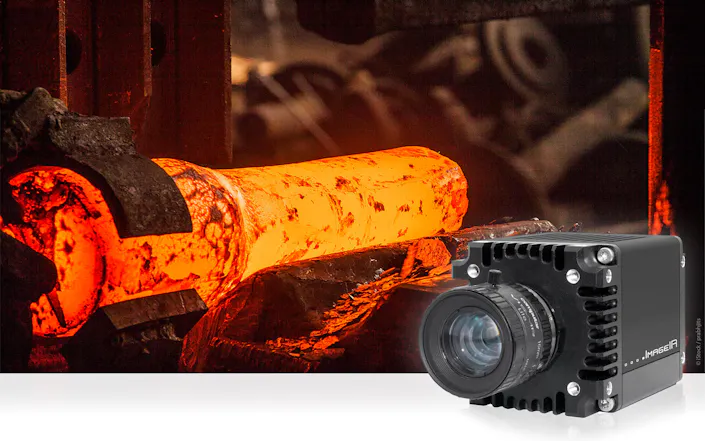
ImageIR® Compact-Line starting at 18,700 EUR*
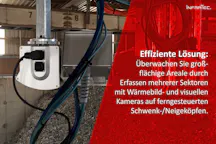
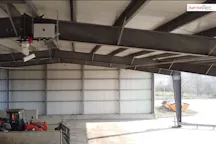
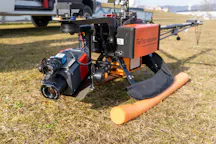
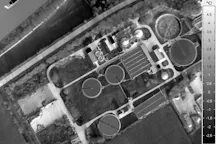
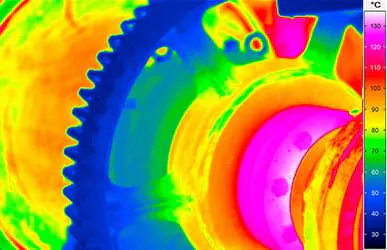
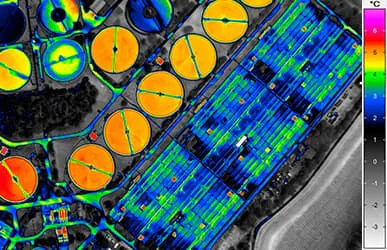
Thermography in Practical Applications











Detector Formats of Compact-Line Cameras
| Detektorformat | (1,280 × 1,024) | (640 × 480) | (640 × 512) |
| TarisIR® mini 600 | ◼ | ||
| ImageIR® c7300 | ◼ | ||
| ImageIR® c6300 | ◼ | ||
| ImageIR® c8100 | ◼ | ||
| ImageIR® c9100 | ◼ | ||
| PIR uc LWIR 600 | ◼ | ||
| Pir uc SWIR HD 800 | ◼ |
Properties of TarisIR® mini Compact-Line Cameras

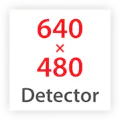
Uncooled microbolometer FPA detector; 12 μm pitch
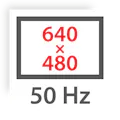
Analysis of extreme temperature changes and gradients in full frame

Easy integration into existing systems and processes using a wide range of modern interfaces
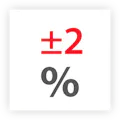
Highly accurate and repeatable measurements

Precise detection of smallest temperature differences

For loss-free real-time data transmission and analysis

Easy and economical installation

Infrared Camera Series ImageIR® c6300
The radiometrically calibrated system camera ImageIR® c6300 is equipped with a cooled focal plane array photon detector of the latest generation. By combining the detector format of (640 × 512) IR pixels with the very small pixel pitch of 10 µm, the camera delivers razor-sharp images. Due to its snapshot mode, moving objects can also be displayed without distortion. The innovative XBn detector technology allows the detector to be operated at a significantly higher working temperature than the usual approximately 80 K. This allows the size, weight and power (SWaP) of the integrated detector/cooler unit to be minimised.
The ImageIR® c6300 is the first model in the ImageIR® series to feature a new integrated operating system. This opens up a wide range of new functions, such as fully autonomous camera operation without the need for an additional control PC. The camera can also be controlled via a web interface using a smartphone or tablet. In addition, users can run their own software directly on the camera and access the data stream directly via the integrated SDK. Together with the option of power supply via a wide-range input (9–36 V) or Power over Ethernet (PoE), these features make the the infrared camera much easier to use. This is particularly true for plant-integrated applications and in hard-to-reach places.

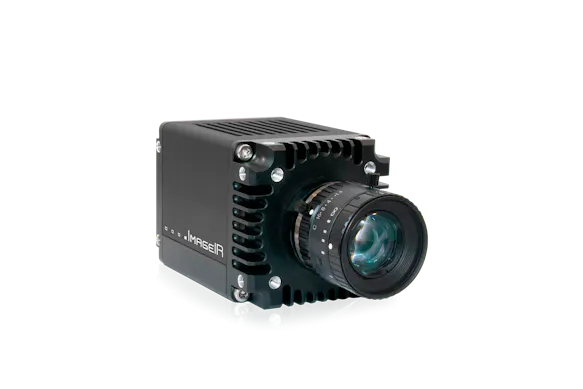
Infrared Cameras ImageIR® c8100 and ImageIR® c9100
The SWIR infrared cameras ImageIR® c8100 and ImageIR® c9100 are radiometrically calibrated and available with (640 × 512) or (1,280 × 1,024) IR pixels in VGA or SXGA image format. They operate in the short-wave infrared range and allow, among other things, emissivity-optimised measurements of temperatures on metallic surfaces. Due to the resulting small detector chip diagonals, a pixel pitch of only 5 µm enables a comparatively cost-effective, compact optical design with high imaging quality. In combination with radiometric calibration, brilliant thermography images with high geometrical and thermal resolution can be achieved in both formats. The combination with interchangeable lenses of different focal lengths enables the comfortable adaptation of the image fields to real measurement scenarios.






Configure Your Camera System
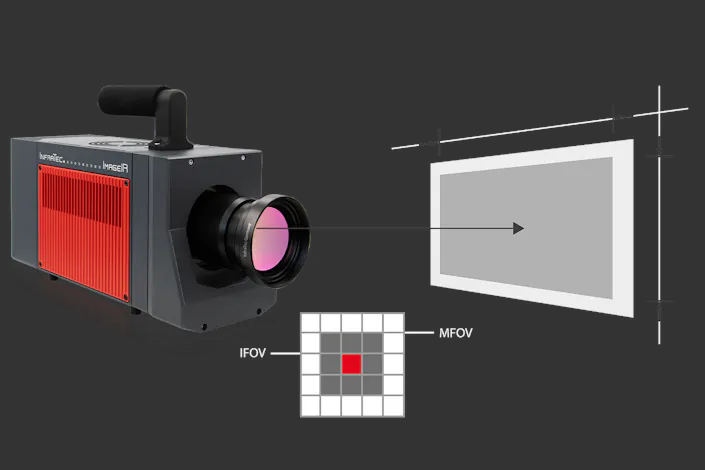
Each measurement or testing task has its own characteristic basic conditions. For getting optimal results camera, detector and lens have to be perfectly matched to one another. The field of view calculator helps you to determine the appropriate combination.

















You Need More Information about High-end Cameras?
There is high-end camera matching perfectly your specific requirements. To find out which one it is, just check out all the models in detail.





*Prices are to be understood plus legal VAT without prior notice and shipping costs. Sales are exclusively for commercial customers, government and public institutions. Final prices depend on configuration.